Zero-Footprint Auditing: Why Persistent Security Scanners Are a Threat to Your Cloud
Architecting single-use cloud verification nodes that deploy in seconds, validate perimeter posture, and terminate cleanly without residual exposure.
A
Aravind
Security Lead
Jul 29, 2026•9 min read
Ephemeral Verification Infrastructure: The Zero-Footprint Security Audit
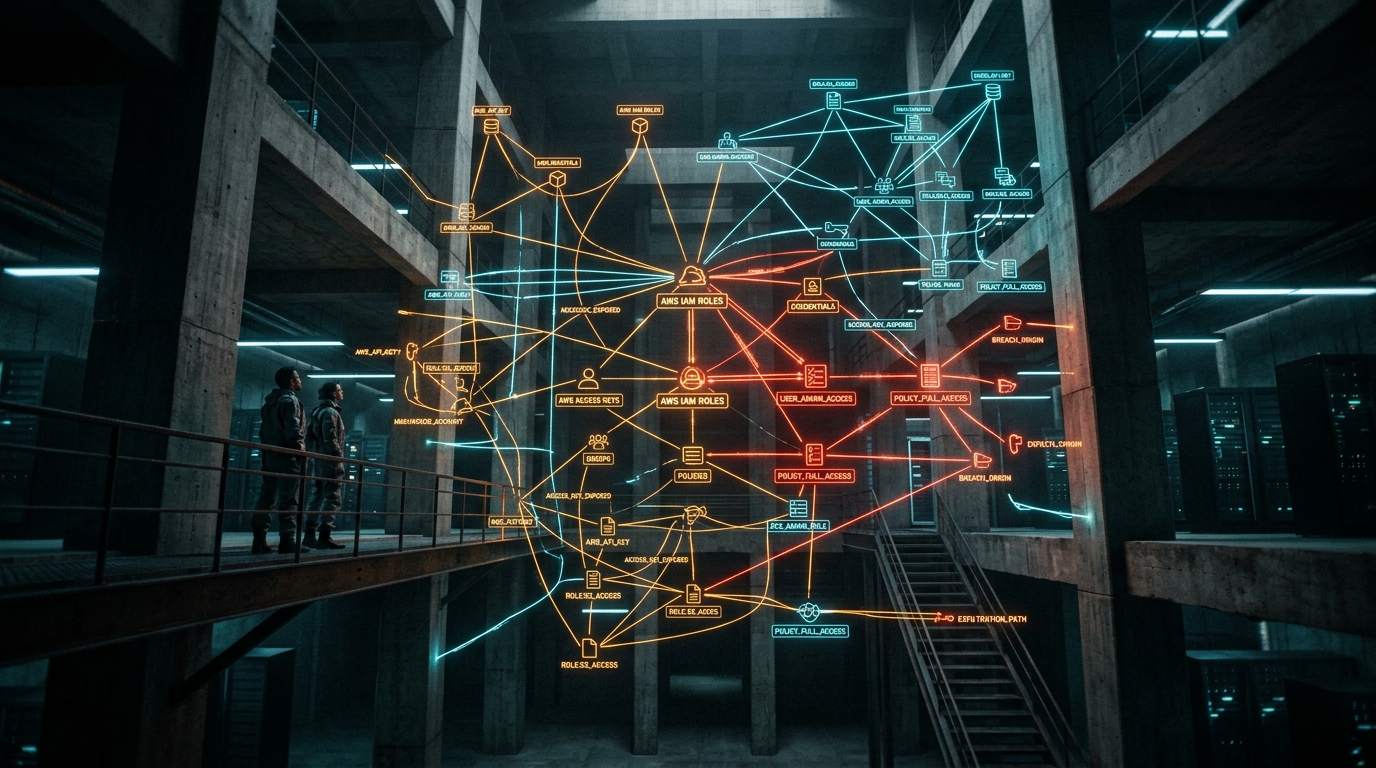
Persistent security testing infrastructure poses a notorious operational dilemma for enterprise cloud environments: long-lived scanner nodes, static API keys, and permanent ingress tunnels create secondary attack vectors that threat actors can compromise.
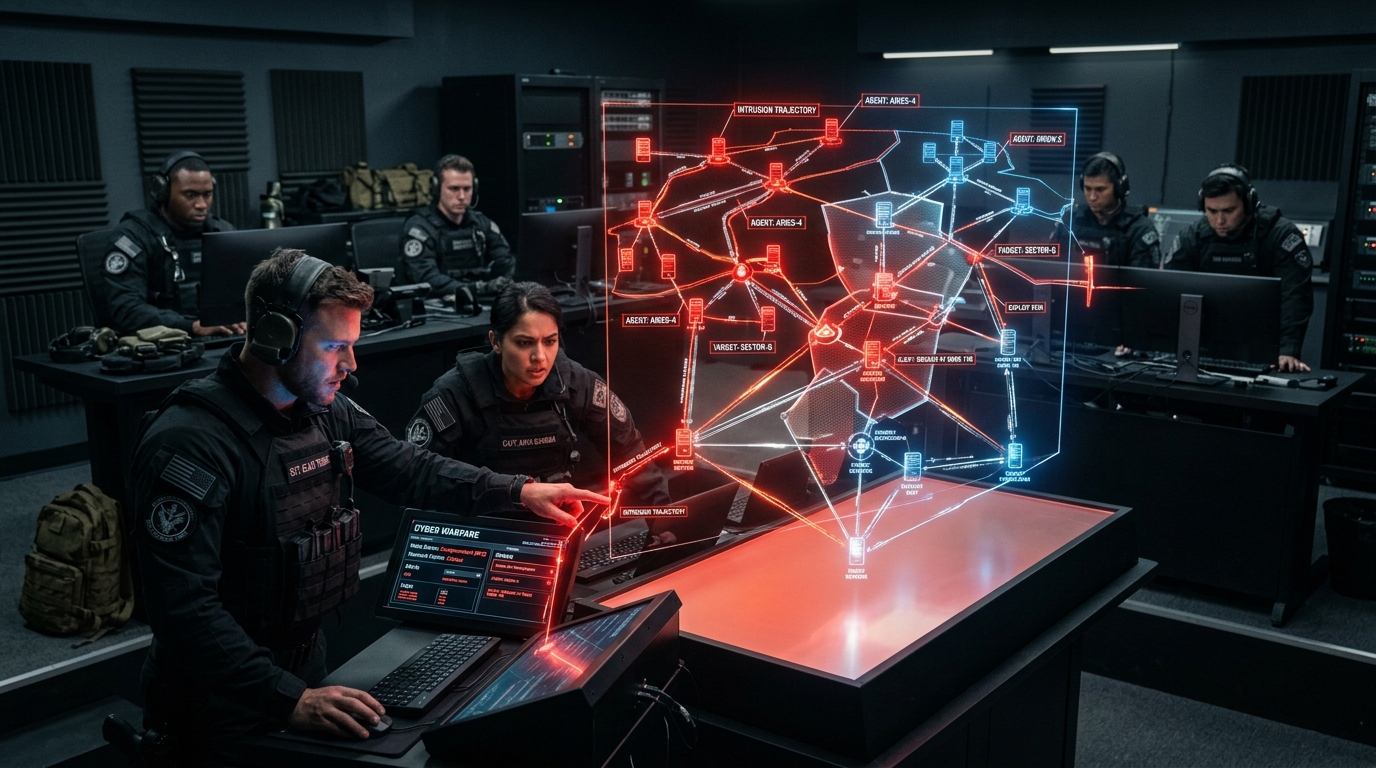
To achieve truly continuous security verification without introducing persistent risk, modern cloud defense requires ephemeral verification infrastructure.
The most secure testing node is the one that exists only for the duration of the scan and terminates completely into nothingness.
Principles of Single-Use Cloud Verification
1.Just-In-Time Provisioning: Verification containers are spawned on-demand via serverless container runners in response to deployment webhooks.
2.Ephemeral IAM Credentials: Scanners authenticate exclusively via short-lived OIDC federation tokens that expire within 15 minutes.
3.Deterministic Forensic Logging: Test results are streamed in real-time to write-once cloud storage; no audit logs or credentials remain on the container file system.
4.Instant Self-Termination: Upon completing verification, the container and all associated network security groups are automatically destroyed.
A
Published by
Aravind
Security Lead